

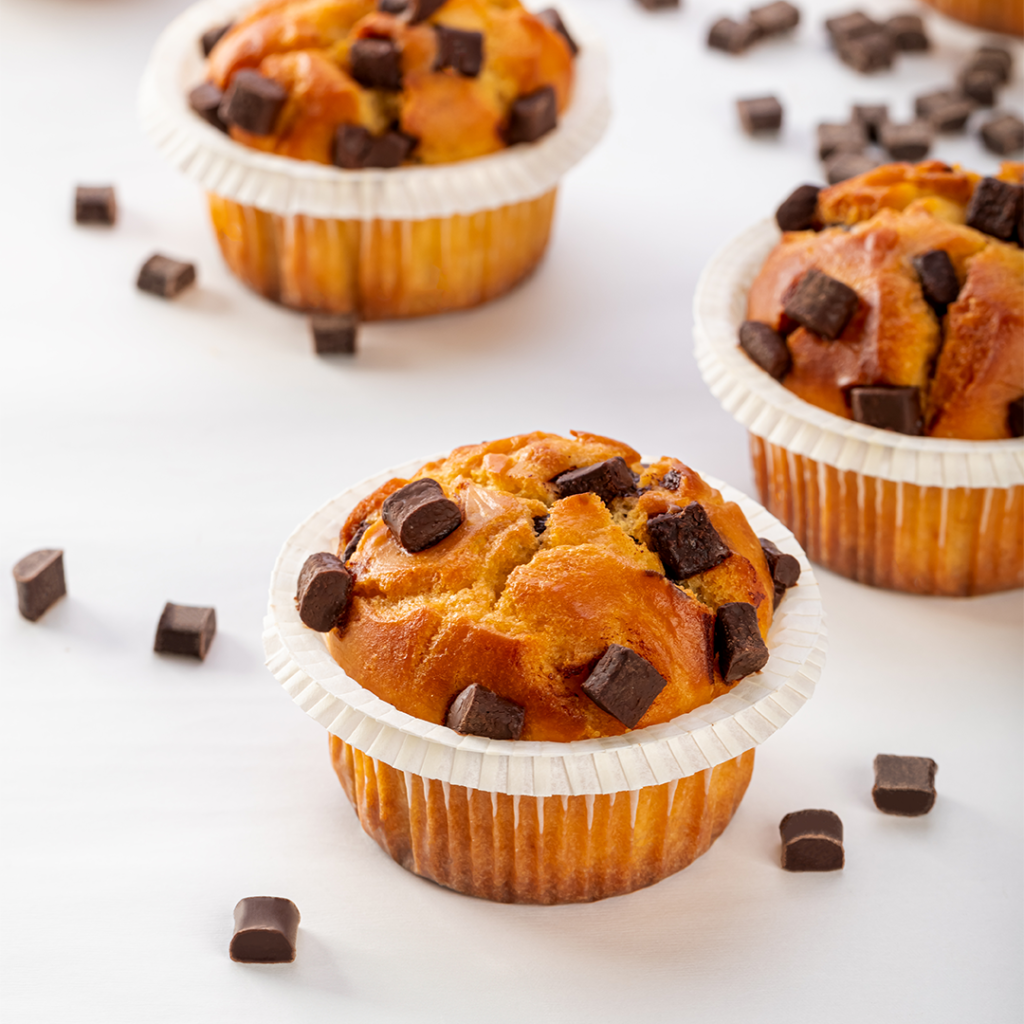
Chocolate cupcakes are small individual cakes made with cocoa or melted chocolate, baked in paper cases, and finished with frosting and decoration. The difference between a flat, bakery-looking top and a domed one comes down to oven temperature and how full you fill the cases – not the recipe.
What Makes Chocolate Cupcakes Actually Good?
Cocoa type, oil instead of butter, and hot liquid. Those are the three moves that make the difference.
Most recipes use butter. Butter gives flavour but also gives a firmer, drier crumb. Oil stays liquid at room temperature, which means the cupcake stays moist the next day – and the day after. The flavour mostly comes from the cocoa anyway, so the butter isn’t doing as much work as people assume.
Dutch-process cocoa (sometimes called alkalized cocoa) gives a darker colour and a rounder, less sharp chocolate flavour than natural cocoa. If your local supermarket only stocks one type, it’s usually Dutch-process. Either works here, but Dutch-process gives noticeably better results.
The hot liquid – water or coffee – goes in at the very end of mixing. The batter becomes almost pourable, which looks alarming. It’s supposed to. The heat blooms the cocoa and pulls out flavour that cold liquid can’t. If you use coffee, it won’t taste like coffee – it just makes the chocolate deeper. Use hot water if you’d rather.
Overmixing once the flour is in develops gluten and turns the crumb rubbery. Add the dry ingredients, stir until they disappear, and stop.
Chocolate Cupcake Recipe
12 cupcakes – oven at 160°C fan
Ingredients:
- 125 g plain flour
- 40 g Dutch-process cocoa powder
- 1 tsp baking powder
- ½ tsp bicarbonate of soda
- ½ tsp fine salt
- 200 g caster sugar
- 2 large eggs
- 120 ml buttermilk
- 80 ml vegetable oil
- 1 tsp vanilla extract
- 120 ml hot water or freshly brewed coffee
Sift the dry ingredients – flour, cocoa, baking powder, bicarbonate, salt – into a bowl. In a separate bowl, whisk the sugar, eggs, buttermilk, oil, and vanilla together until combined. Add the dry mixture and fold until it just disappears. Pour in the hot water or coffee and stir smooth. The batter is thin. That’s correct.
Line a 12-hole tin with cases and fill each one to two-thirds – measured, not estimated. Cases filled higher than that dome or overflow. A domed top is harder to frost, and the decoration ends up tilted.
Bake at 160°C fan for 18–20 minutes. Test with a skewer: a few moist crumbs attached means done. Completely clean means slightly overbaked. Wet batter means more time. Move to a rack after 5 minutes in the tin and leave to cool completely before frosting – not mostly cool, fully cold. Warm cupcakes melt buttercream and the decoration moves before you’ve finished placing it.
For a ganache frosting made from couverture rather than cocoa powder, Barima Artisanal dark 56% or milk 34% melts evenly in 8 mm pastille form and gives a consistent result across a batch.
What Frosting Goes on Chocolate Cupcakes?
Three options, all different enough that the choice actually matters.
Chocolate buttercream is what most people use and it’s genuinely the most practical for decorating. Beat 200 g softened butter pale, sift in 300 g icing sugar and 40 g cocoa, add a splash of milk, beat until light. It pipes neatly, holds its shape in a normal room, and doesn’t move when you press a decoration into it. If you’re using heavy pieces like chocolate shards or handmade roses, buttercream is the right base.
Whipped ganache is richer and darker and makes a cupcake taste like something from a proper bakery rather than a home kitchen. Equal parts heavy cream and dark chocolate, melted together, cooled to room temperature, then whipped until light. Less sweet than buttercream, more intense – a much better match for fine chocolate decorations and anything with a bit of bitterness or floral character. It sets firmer when chilled, so work with it at room temperature and refrigerate the finished cupcakes.
Cream cheese frosting gets used less often on chocolate but it’s worth knowing about. 250 g cream cheese, 100 g soft butter, 150 g icing sugar, 30 g cocoa – beat smooth. The slight tang it has cuts through a rich dark cupcake in a way that buttercream can’t. It needs refrigerating, which limits display time.
Decorating Chocolate Cupcakes with Ready-Made Chocolate Decorations
When to Place Them
While the frosting is still slightly tacky – not wet, but not fully set. A decoration pressed into fresh frosting embeds and stays. The same decoration placed on set frosting sits on the surface and slides off when someone picks up the cupcake. If you’ve left the frosted cupcakes to set and want to add decorations later, a small amount of melted chocolate on the base of the piece works as an invisible adhesive.
Why Ready-Made
Trying to make your own chocolate curls or lace pieces for twenty cupcakes takes an afternoon and produces inconsistent results. A batch of Barbara Decor Blossoms in dark, milk, white, or caramel gives you identical pieces every time – the right thickness, the right gloss, the right snap – in about five minutes of decorating. When twenty cupcakes are displayed together on a table, the consistency of the decoration is what makes the whole thing look planned rather than assembled.
Shavings are a different shape and texture – irregular fragments with a bark-like surface that looks handmade even though every piece is consistent. On a dark chocolate frosting they create a contrast that reads immediately as deliberate: smooth surface, rough texture, and the colour difference between the frosting and the curl catches the eye without competing with anything else.
Filigranes® are the openwork lace pieces that people photograph at events. One placed vertically into the centre of a frosting swirl, and the cupcake looks like it came from a patisserie. They’re too fragile to make by hand at any practical scale. Handle them with dry hands – body heat softens the edges in seconds.
For occasions where every cupcake is slightly different on purpose – weddings, name days, smaller personal celebrations – Barbara Decor handmade decorations include chocolate roses, butterflies, and spirals made by confectioners rather than machines. The variation between pieces is part of the appeal. Thirty identical machine-made flowers on thirty cupcakes looks like a product. Thirty handmade roses, each slightly different, looks like craft.
Seasonal themes – Christmas, Valentine’s Day, Easter, Halloween – are covered by the Barbara Decor seasonal range, which means themed decoration without making anything by hand. See the inspirations gallery for finished examples before deciding on a direction for a specific event.
When Things Go Wrong
The tops dome. Usually the oven is running hotter than the dial says, or the cases were overfilled. Fill to two-thirds and drop the temperature by 10°C. If it keeps happening with the same recipe, the baking powder quantity is probably too high – cut it by a quarter.
The middles sink. Oven door opened before 15 minutes, or the cupcakes came out underbaked. The skewer test is more reliable than the clock. Don’t open the door until you’re close to the end of the baking time.
Dry crumb is almost always overbaking, and with small cakes the margin is narrow. A minute or two past done and the moisture is gone. Pull them out slightly earlier than feels right – the tin holds heat and they continue cooking for a minute or so off the heat.
Frosting that slides or won’t hold a shape is a temperature issue. Either the cupcakes were still warm, or the kitchen is warm enough that the butter in the buttercream never firmed up properly. In summer, refrigerate the frosting for 10–15 minutes before piping. And “fully cold” means at least 30 minutes on a rack, not just not-warm-to-the-touch.
Making Them Ahead
Unfrosted cupcakes keep at room temperature for 2 days in a sealed container, or frozen for up to 3 months. Freeze them individually on a tray first so they don’t stick together, then bag them. Thaw at room temperature still in the bag.
Frosted cupcakes: buttercream holds well for 24 hours at cool room temperature. Ganache and cream cheese frosting need refrigerating. Either way, add the chocolate decorations on the day of serving rather than the evening before – fridge humidity causes condensation on chocolate surfaces, which dulls the gloss and, on delicate pieces, changes the texture.
The sequence that works for events: frost the evening before, refrigerate overnight, add decorations in the morning on the day.
Barima Artisanal chocolate for ganache frosting – dark 56%, 72%, milk 34%, white 29%, in 8 mm pastilles. Barbara Decor for finished decoration – Blossoms, Filigranes®, Shavings, handmade and seasonal pieces. Styled examples in the inspirations gallery.
FAQ: Professional Cupcake Questions
Why use coffee in a chocolate cupcake recipe?
It doesn’t make them taste like coffee. Hot liquid in general blooms the cocoa powder and deepens the flavour; coffee has enough bitter, roasty compounds that it amplifies the chocolate specifically in a way plain hot water doesn’t quite match. Either works. Coffee is better if you have it.
Do chocolate decorations melt at room temperature?
Real tempered chocolate from Barbara Decor has a melt point around 34°C and holds its shape indoors. Compound chocolate – the kind used in most supermarket decorations – softens at lower temperatures and often looks duller in the first place. The visual difference is obvious when they’re sitting next to each other on a table.
